




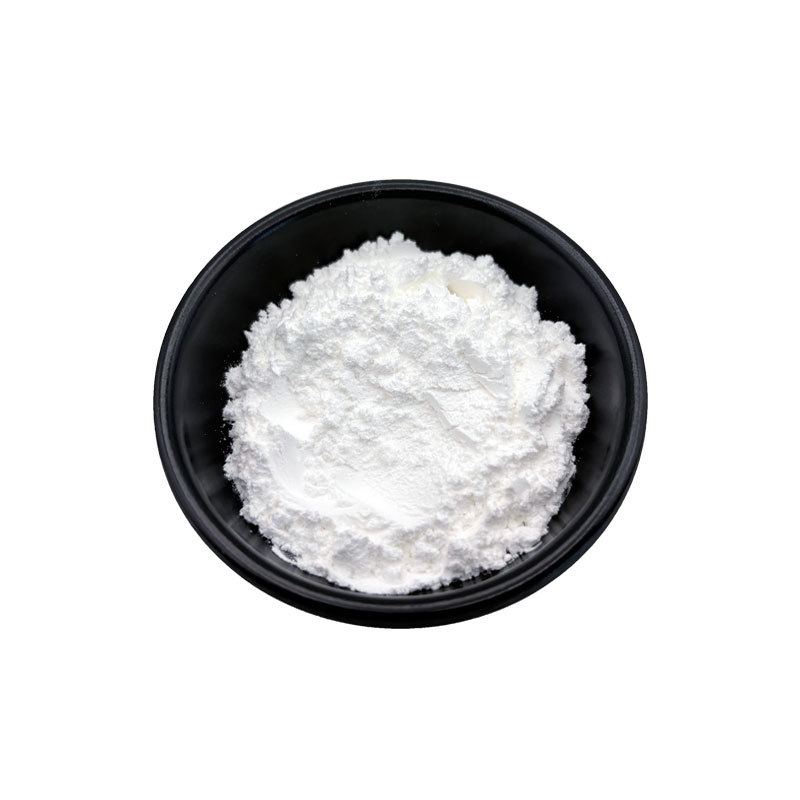
Hyaluronic Acid
$375.00
Hyaluronic Acid (HA), also known as hyaluronan, is a high-molecular-weight linear polysaccharide composed of repeating disaccharide units of D-glucuronic acid and N-acetyl-D-glucosamine. It is a naturally occurring biopolymer found in the connective, epithelial, and neural tissues of vertebrates. Produced primarily through microbial fermentation of Streptococcus strains, it is prized for its exceptional viscoelasticity and water-binding capacity.
Storage Recommendations:
Temperature: Store in a cool, dark place. High-molecular-weight HA is particularly sensitive to heat; long-term storage is best maintained at 2°C to 8°C. For long-term stability of research-grade powder, -20°C may be required to prevent chain degradation.
Packaging: Store in air-tight, light-resistant containers. Hyaluronic acid is highly hygroscopic and susceptible to oxidative degradation when exposed to atmospheric moisture and light.
Shelf Life: When stored under refrigeration in sealed containers, the powder typically remains stable for 24 months. In aqueous solutions, stability decreases significantly, and it should be used promptly.
Safety Note:
Hyaluronic acid is highly biocompatible, non-immunogenic, and generally recognized as safe (GRAS). It is widely used in injectable medical devices. However, in an industrial setting, the fine powder can act as a respiratory irritant. It is recommended to wear a dust mask and gloves during bulk handling to avoid inhalation or skin dehydration through moisture absorption.
Cosmetics & Personal Care:
Humectant & Anti-Aging: HA is the gold standard for hydration in the cosmetic industry. It can hold up to 1,000 times its weight in water, providing immediate plumping and long-term moisture retention in serums, creams, and lotions.
Texture Modifier: It improves the "slip" and feel of formulations, reducing tackiness and providing a smooth, silky finish on the skin.
Pharmaceutical & Medical Industry:
Ophthalmic Surgery: Used as a viscoelastic agent in cataract surgeries to maintain the shape of the anterior chamber and protect delicate ocular tissues.
Joint Health: Injected as a lubricant (viscosupplementation) for patients with osteoarthritis to restore the cushioning properties of synovial fluid.
Drug Delivery: Employed as a biocompatible carrier for controlled-release drug delivery systems due to its ability to be cross-linked into hydrogels.
Medical Aesthetics:
Dermal Fillers: Cross-linked hyaluronic acid is the primary component of injectable fillers used to correct wrinkles, add facial volume, and enhance lip contours. Its effects are reversible via the enzyme hyaluronidase.
Wound Healing:
Regenerative Medicine: HA plays a critical role in the inflammatory response and tissue repair. It is used in specialized dressings and gauzes to accelerate the healing of chronic wounds, burns, and surgical incisions by maintaining a moist environment.
Food & Nutraceutical Industry:
Oral Supplements: Increasingly used in "beauty-from-within" supplements aimed at improving skin hydration and joint mobility through systemic absorption.