




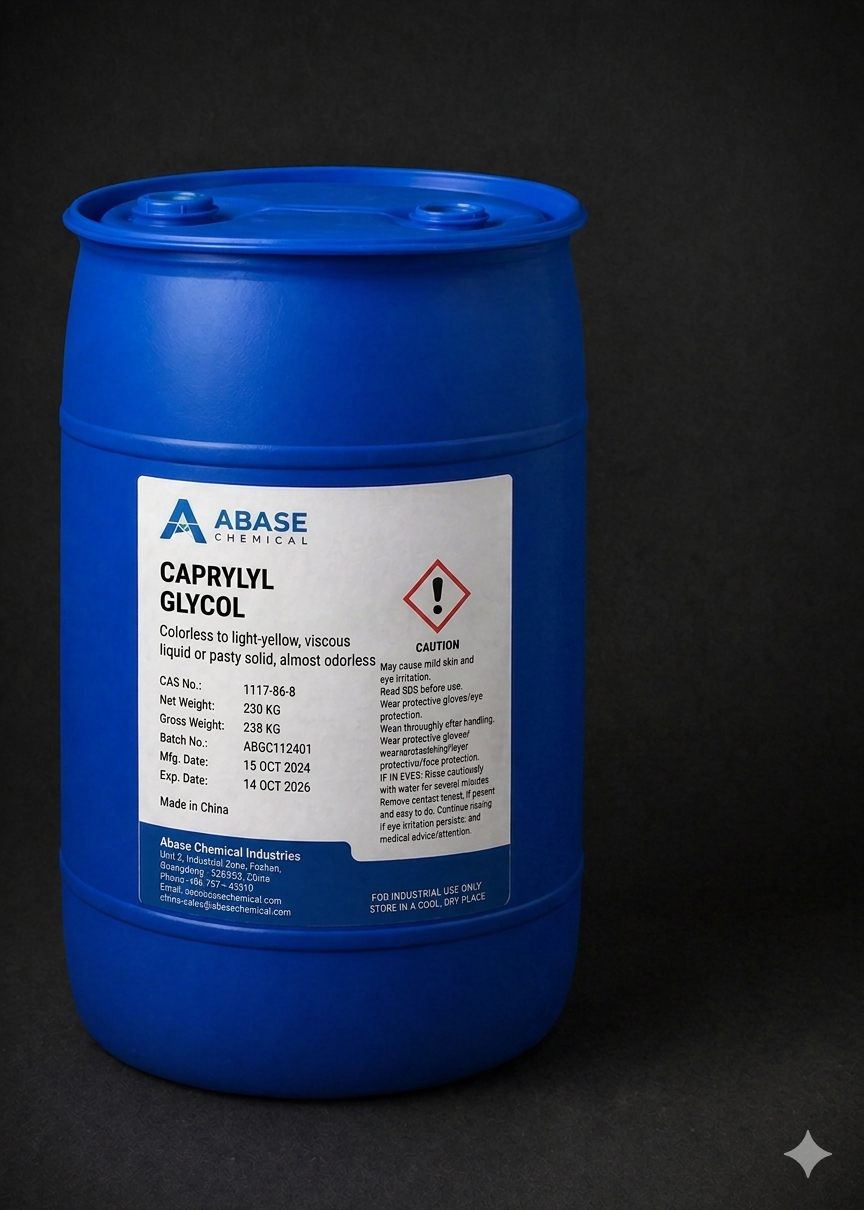
Caprylyl Glycol
$950.00
Caprylyl Glycol is a medium-chain, straight-chain diol (a type of alcohol containing two hydroxyl groups). It appears as a colorless to light yellow, viscous liquid or pasty solid. Caprylyl Glycol is widely recognized for its multifunctional properties, serving primarily as a skin-conditioning agent, viscosity modifier, and humectant, with significant antimicrobial-boosting capabilities.
Storage Recommendations
Temperature: Store in a cool, dry, and well-ventilated area. Ideally, maintain temperature above 15°C (to prevent crystallization) but below 30°C to ensure long-term stability and prevent potential degradation.
Packaging: Keep in tightly sealed, original containers. Materials like stainless steel, high-density polyethylene (HDPE), or lined steel drums are suitable.
Shelf Life: Stable for 2 to 3 years from the date of manufacture when stored under proper conditions. Check the manufacturer's specific product data.
Other Precautions: Protect from moisture and direct sunlight.
Safety Note: Caprylyl Glycol is generally considered safe and non-irritating at standard formulation concentrations in cosmetic products (often <1%). However, in its concentrated raw form, it can cause eye irritation and, less commonly, mild skin irritation in sensitive individuals. Handle with appropriate protective equipment (gloves, safety goggles) during industrial processing. Always refer to the specific Safety Data Sheet (SDS) from the manufacturer.
Cosmetics & Personal Care:
Skin & Hair Conditioning: As a humectant, it helps skin and hair retain moisture, improving texture and feel.
Preservative Booster: This is a crucial application. Caprylyl Glycol has antimicrobial properties itself, but its primary benefit in preservation is its ability to increase the efficacy of traditional preservatives (like phenoxyethanol), allowing for lower concentrations of those preservatives.
Viscosity Regulation: It can be used to modify the thickness or flow of various cosmetic formulations.
Emolliency: Provides a soft, smooth feel to the skin.
Pharmaceuticals & Medical:
Topical Formulations: Can be found in creams, lotions, and ointments, utilizing its humectant and emollient properties.
Other Potential Applications:
Used in some industrial processes where its properties as a diol and antimicrobial-boosting nature are valuable.